

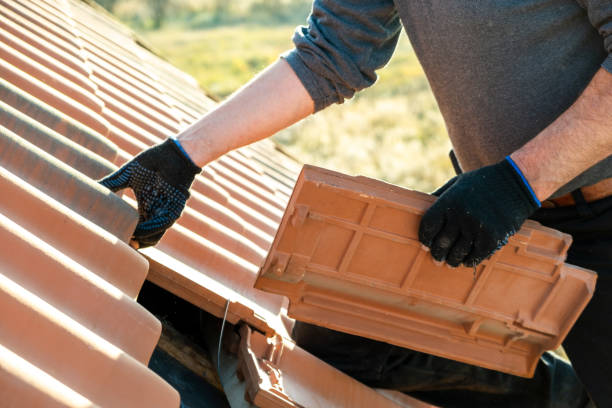
When it comes to the health and longevity of your home, your roof plays a critical role in protecting your property from weather elements and maintaining structural integrity. Over time, however, even the most durable roofs can show signs of wear and tear. Deciding whether to repair or replace your roof can be a challenging decision. This guide will walk you through key considerations to help you determine the best choice for your home.
Key Considerations for Making a Decision
- Asphalt shingles typically last 20–30 years.
- Metal roofs often have lifespans of 40–70 years.
- Slate and tile roofs can exceed 50 years with proper maintenance.
If your roof is nearing the end of its expected lifespan, replacement might be more practical than repeated repairs.
- Nature and Extent of Damage
Evaluate whether damage is minor or widespread: - Minor issues may include:
- Missing shingles
- Localized leaks
- Small cracks or punctures
- Structural damage
- Rotting underlayment
- Widespread water infiltration
- Budget Constraints
Depending on financial resources, repairing minor issues can offer temporary relief until funds are available for a full replacement. - Energy Efficiency Goals
Older roofs may not offer optimal insulation or energy efficiency compared to newer materials with advanced technologies. A replacement could reduce energy costs in the long run.
Benefits of Roof Repairs
Roof repairs are often suitable for addressing minor issues without requiring a major investment upfront.
- Cost Savings: Typically less expensive than replacements if damage is localized.
- Preservation: Repairs can extend the life of an aging roof by resolving immediate problems.
- Quick Turnaround: Small fixes usually require less labor and time compared to full-scale projects.
However, it’s important to note that repeated repairs over time could accumulate costs close to—or exceeding—a replacement project if underlying issues persist.
When Is Roof Replacement Necessary?
- The existing roof has reached its lifespan and shows signs of extensive wear.
- Damage covers more than 30% of the surface area.
- You’re experiencing consistent leaks despite multiple repairs.
- There are significant structural concerns like sagging or rotting decking beneath shingles.
- You want an aesthetic upgrade or improved energy performance from modern materials.
Replacing your roof provides long-term peace of mind by addressing all potential vulnerabilities in one comprehensive project.
Comparison Table: Repair vs.
| Factor | Repair | Replacement |
| Cost | Lower upfront cost | Higher initial investment |
| Longevity | Temporary solution | Long-lasting (20+ years) |
| Project Duration | Short (a few hours/days) | Longer (days/weeks) |
| Extent of Work | Localized fixes | Entire surface replaced |
| Energy Efficiency | Limited improvement | Significant improvement |
Final Thoughts
Choosing between repairing and replacing your roof depends on factors like age, damage severity, budget considerations, and personal goals for energy efficiency or aesthetics. Consulting with a professional roofing contractor can provide valuable insights that will ensure you make an informed decision tailored specifically to your needs.
Key Factors to Consider When Choosing a Roofing Contractor Minneapolis MN for Roof Repair or Replacement
Deciding whether to repair or replace your roof is a critical decision that impacts the safety, aesthetics, and value of your home. Understanding the key factors that influence this choice can lead to a more informed decision and help you maximize the longevity of your roofing investment. Below, we break down the primary considerations homeowners should evaluate when faced with this dilemma.
1.Age of Your Roof
- Different roofing materials have varying lifespans:
- Asphalt shingles: 20-30 years
- Metal roofs: 40-70 years
- Clay or concrete tiles: 50+ years
- If your roof is nearing the end of its expected lifespan, replacement may be more cost-effective than frequent repairs.
- A newer roof with minor issues might only require targeted repairs.
2.Extent and Nature of Damage
Determine whether the damage is localized or widespread: – Localized damage: – Missing shingles or small leaks may only require a simple repair. – Damage confined to one section of the roof can often be patched without replacing the entire structure. Widespread damage: – Issues like sagging spots, extensive water infiltration, or large areas missing shingles typically call for a complete replacement.
| Damage Type | Recommended Action |
| Missing shingles in a small area | Repair |
| Persistent leaks in multiple places | Replacement |
| Minor granule loss on shingles | Repair |
| Structural sagging | Replacement |
3.Cost Considerations
Balancing short-term savings with long-term value is essential: – Repairs are generally less expensive upfront but can become costly if issues persist or worsen over time. – Replacing an old or severely damaged roof might have higher initial costs but can increase energy efficiency, improve curb appeal, and prevent recurring expenses.
4.Energy Efficiency
Older roofs with subpar insulation may lead to higher heating and cooling costs. Modern roofing systems often feature improved materials that enhance energy efficiency, potentially saving homeowners money in utility bills over time. If energy savings are an important consideration, replacement might be a better option.
5.Future Plans for Your Home
Think about how long you intend to stay in your home: – Short-term: If you plan on selling soon, repairing visible damage may suffice. – Long-term: Investing in a new roof could provide peace of mind and increase property resale value.
Advantages vs Disadvantages Table
| Factor | Roof Repair | Roof Replacement |
| Cost (Initial) | Lower upfront cost | Higher upfront cost |
| Longevity | Temporary fix | Long-lasting solution |
| Energy Efficiency | May not improve | Often improves |
| Property Value | Minimal impact | Significant positive impact |
Seeking Professional Advice
Before making a final decision, it’s crucial to consult with professional roofing contractors who can assess your specific situation. A thorough inspection will help identify underlying issues that might influence whether repair or replacement is the more practical choice.
By carefully weighing these factors—roof age, damage extent, cost-effectiveness, and future plans—you’ll be better equipped to make an informed decision tailored to your unique needs as a homeowner.
Key Factors for Choosing a Roofer Minneapolis MN for Roof Repair or Replacement
When it comes to addressing roofing issues, homeowners are often faced with a critical decision: Should they opt for a roof repair or invest in a complete roof replacement? Making this choice involves careful evaluation of several factors that can affect the long-term functionality, cost, and durability of your roof. Below, we explore the key considerations that homeowners should weigh before deciding which path to take.
Assessing the Condition of Your Roof
The starting point for any roofing decision is understanding the current condition of your roof.
- Age of the Roof: Older roofs, especially those nearing the end of their expected lifespan (typically 20–30 years for asphalt shingles), may not benefit from simple repairs.
- Material Type: Roofing materials like slate or metal often last longer than asphalt shingles and may only require minor repairs.
- Visible Damage: Curling shingles, missing shingles, or sagging areas could indicate whether repairs will suffice or if a full replacement is warranted.
Evaluating the Nature and Extent of Damage
The degree and type of damage play a significant role in determining whether repair or replacement is best.
- Localized Damage: If only a small area is affected by issues such as missing shingles or minor leaks, repairs may be an efficient solution.
- Structural Issues: Significant damage to underlying structures like decking or insulation could make replacement more practical.
- Water Intrusion: Persistent leaks or widespread water stains can signal deeper problems that may require more than just patchwork fixes.
Comparing Costs: Short-Term vs.
Both repair and replacement have their own cost implications. It’s essential to balance immediate expenses with potential long-term savings.
| Roofing Option | Typical Cost Range | Pros | Cons |
| Roof Repair | $150–$1,500 | Lower initial cost | May not address future problems |
| Roof Replacement | $5,000–$15,000+ | Longer-lasting solution | Higher upfront investment |
While repairs might seem more budget-friendly in the short term, frequent fixes over time could increase overall costs. Replacing an aging or severely damaged roof often provides better value by reducing maintenance needs and enhancing energy efficiency.
Environmental Considerations
- Waste Generation: Replacing an entire roof generates more waste compared to localized repairs.
- Energy Efficiency: A new roof with modern materials can improve insulation and reduce heating/cooling costs.
- Recyclability: Some roofing materials can be recycled during replacement projects.
Professional Input Matters
Consulting with a professional roofer can provide clarity when you’re uncertain about which option is best for your home.
- Conduct a thorough inspection to assess both surface-level and hidden damage.
- Offer insights into material options that align with your budget and goals.
- Provide transparent cost estimates for both repair and replacement scenarios.
By carefully evaluating these factors and seeking expert advice when needed, homeowners can make informed decisions tailored to their specific circumstances—ensuring their roofing solution offers both durability and peace of mind.
Expert Roofing Services Minneapolis MN: Assessing Damage for the Perfect Solution
Determining whether your roof needs a repair or a full replacement depends largely on the extent and nature of the damage. A thorough assessment of your roof’s condition can help you make a well-informed decision that best suits your home, budget, and long-term needs. Below, we’ll explore key considerations for evaluating roof damage and determining the most appropriate solution.
Types of Roof Damage to Assess
When inspecting your roof, it’s essential to identify both visible and hidden types of damage.
- Shingle Damage: Cracked, curled, or missing shingles can compromise protection from moisture and wind.
- Water Intrusion: Stains on ceilings or walls may indicate leaks caused by damaged flashing or underlayment.
- Structural Issues: Sagging areas often point to underlying problems with the decking or foundation.
- Punctures and Holes: Storm debris like branches can penetrate roofing materials, causing localized damage.
- Granule Loss: Bald spots on asphalt shingles may signify aging or weathering.
Each type of damage has different implications for repair versus replacement. For example, minor shingle issues may be resolved with a quick patch job, while extensive structural problems could necessitate complete replacement.
When Roof Repairs Are Appropriate
Roof repairs are usually sufficient when damage is isolated or minimal.
- Addressing small leaks or gaps around flashing or vents
- Replacing a few damaged shingles in one section
- Fixing minor wear and tear caused by weather exposure
- Resolving ice dam-related issues without compromising the entire system
Repairs are often cost-effective in these cases but must be completed promptly to prevent further deterioration.
Indicators That Roof Replacement Is Necessary
While repairs can address certain issues effectively, there are instances where a full roof replacement is more practical.

- The damage affects over 30% of the surface area.
- The roofing materials have reached their expected lifespan (e. g. , 20–25 years for asphalt shingles).
- There is widespread water infiltration causing mold or rot.
- Structural components such as decking are compromised.
- Multiple layers of old roofing material exist, making additional repairs less effective.
A replacement provides an opportunity to upgrade materials, improve energy efficiency, and extend your home’s overall durability.
Table: Repair vs Replacement Quick Guide
| Factors | Roof Repair | Roof Replacement |
| Cost | Lower upfront cost | Higher initial investment |
| Damage Extent | Localized/minor | Widespread/severe |
| Lifespan Remaining | Several years left | Nearing end-of-life |
| Energy Efficiency Benefits | Limited | Significant improvements possible |
| Long-Term Cost Savings | May lead to frequent fixes | Requires minimal future upkeep |
Consulting Professionals for Accurate Evaluation
It’s challenging for homeowners to accurately assess their roof’s condition without professional expertise.
- A detailed inspection report outlining all existing issues
- Expert advice on whether repair or replacement is more beneficial
- Access to potential warranties for long-term protection
Ultimately, understanding the nature and scope of existing roof damage will guide you toward making an informed decision that safeguards your home while maximizing cost-efficiency over time.
Finding Cost-Effective Roof Repair: Balancing Savings and Long-Term Value
When it comes to your roof, making the decision between repair and replacement often hinges on cost-effectiveness. While a quick repair might seem like the most affordable solution in the short term, it’s essential to evaluate whether it provides real value over time. Balancing immediate costs with long-term benefits ensures that you invest wisely in your home’s future.
Factors Influencing Cost-Effectiveness
- Age of the Roof
Older roofs – particularly those nearing or exceeding their expected lifespan of 20–30 years (depending on materials) – may not benefit from repeated repairs. In such cases, replacement might offer better long-term value by eliminating recurring repair expenses. - Extent of Damage
Minor damage such as isolated leaks or missing shingles can usually be repaired affordably. However, extensive structural issues, widespread water damage, or significant wear and tear may make replacement more financially practical. - Material Type and Quality
High-quality roofing materials are designed to last longer and resist damage better than cheaper alternatives. Investing in durable materials upfront during replacement could reduce future maintenance costs. - Energy Efficiency Benefits
Modern roofing systems often offer enhanced energy efficiency compared to older ones. Upgrading to an energy-efficient roof can lower utility bills over time, offsetting the initial investment.
Short-Term Savings vs.
| Scenario | Short-Term Cost | Long-Term Impact |
| Minor leak repairs | Low | May prevent further damage temporarily; could require repeated fixes |
| Full roof replacement (old roof) | High | Eliminates ongoing repair costs; improves property value and energy efficiency |
| Patchwork repairs on aging roof | Moderate | Likely leads to increased cumulative expenses due to frequent fixes |
Key Questions to Ask Yourself
- Is my current roof approaching its expected lifespan?
- How frequently am I spending money on repairs?
- Can I afford a full replacement now without compromising future budgets?
Professional Guidance Matters
While cost is a primary consideration, consulting with an experienced roofer can provide clarity about which option is most suitable for your situation. Professionals can assess both visible and underlying issues that may affect long-term performance or expenses.
By understanding the balance between short-term savings and long-term benefits, you ensure that every dollar spent contributes meaningfully toward protecting your home’s integrity and value for years ahead.
Identifying Leaks and Water Damage as Indicators for Roof Replacement or Repair
Water damage and leaks are among the most common signs that your roof requires attention. Whether you need a repair or a full replacement depends largely on the extent of the damage, making it critical to identify and assess the issue early. This guide will explore how leaks and water-related damages inform your decision-making process regarding roof repair versus replacement.
Common Signs of Leaks and Water Damage
- Stains on ceilings or walls: These typically appear as brownish-yellow discoloration and suggest water has penetrated the roofing structure.
- Peeling paint or wallpaper: Moisture trapped in walls can cause finishes to bubble, peel, or crack.
- Dripping water: Active leaks during rainstorms are a clear sign of roof damage requiring immediate attention.
- Mold or mildew buildup: Persistent moisture can create an environment for mold growth, which could lead to health concerns.
- Sagging roof deck: A sagging appearance might mean the underlying structure has been compromised by prolonged exposure to water.
If any of these signs are present, it is important to consult with a professional roofing contractor promptly.
Determining Whether to Repair or Replace
Once you’ve identified leaks or water damage, your next step is deciding whether a repair will suffice or if a replacement is necessary.
When Repairs Are Appropriate
- The damage is localized (e. g. , missing shingles in one area).
- The overall condition of your roof is sound with no widespread issues.
- Your roofing material (asphalt shingles, metal panels, etc. ) still has several years of life expectancy.
Repairing small issues quickly can prevent them from escalating into costly replacements later on.
When Replacement Is Necessary
- The roof shows extensive wear and tear across large areas.
- Multiple recurring leaks indicate systemic problems rather than isolated damage.
- Structural components like decking have been compromised by long-term water exposure.
- Your roof’s lifespan has already reached its expected limit (e. g. , 20–25 years for asphalt shingles).
Replacing your roof may initially seem more expensive than repairs; however, in cases of extensive damage, it often proves more cost-effective over time.
Key Benefits of Addressing Water Damage Early
- Preventing structural deterioration: Prolonged exposure to moisture can weaken wood framing and lead to significant structural instability.
- Improving energy efficiency: Damaged roofs may allow air leakage, increasing heating/cooling costs over time.
- Avoiding interior damages: Unaddressed leaks can potentially ruin insulation, drywall, flooring, and personal belongings inside your home.
Addressing these issues promptly helps protect both your home investment and its occupants’ safety.
Professional Assessment and Recommendations
Before making any major decisions regarding repairs or replacement due to leaks or water damage, it’s wise to consult an experienced roofing contractor.
| Inspection Area | What It Evaluates |
| Surface Condition | Checks for missing/damaged shingles or visible gaps |
| Underlayment Integrity | Assesses protective layers beneath exterior materials |
| Flashings & Seals | Inspects joints around chimneys/skylights/vents for vulnerabilities |
| Attic Moisture Levels | Detects hidden water intrusion via humidity testing |
This comprehensive evaluation ensures all problems are addressed while providing guidance tailored specifically to your home’s needs.
By understanding how leaks signal larger roofing concerns—and acting accordingly—you’ll protect not only the structural integrity of your property but also its long-term value.
The Importance of a Professional Roof Inspection Before Making Major Decisions
When faced with the decision to repair or replace your roof, a professional roof inspection is an essential step that homeowners often overlook. While it may be tempting to assess the condition of your roof on your own, a certified roofing contractor provides critical expertise that ensures you make an informed and cost-effective decision.
Why Schedule a Roof Inspection?
A professional roof inspection helps identify underlying issues that may not be visible to the untrained eye.
- Comprehensive Damage Assessment: Roofing professionals can evaluate not only visible damage but also potential structural issues hidden under shingles or tiles.
- Preventative Maintenance: Identifying small problems early can prevent costly repairs or even premature replacement in the future.
- Accurate Recommendations: Experts provide tailored advice on whether repair or replacement is necessary based on the extent of damage and the overall condition of your roof.
What Does a Roof Inspection Include?
A thorough roof inspection generally involves evaluating various aspects of your roofing system.
| Area of Inspection | What Professionals Check |
| Surface Materials | Missing, cracked, or curling shingles; damaged tiles |
| Flashing and Seals | Condition around chimneys, vents, and skylights |
| Gutters and Drainage Systems | Debris buildup; proper water flow |
| Attic Space | Insulation quality; signs of water intrusion |
| Structural Integrity | Sagging areas; weakened framing |
Benefits of Professional Expertise
Roofing contractors bring specialized tools and training to detect issues that homeowners might miss.
- Advanced equipment like thermal imaging cameras can locate leaks or insulation gaps.
- Moisture meters help measure hidden water damage within roofing materials.
- Drones equipped with high-resolution cameras allow detailed inspections in hard-to-reach areas safely.
Avoiding Costly Mistakes
Without a professional inspection, there’s a risk of addressing symptoms rather than root causes.
- A homeowner might repair damaged shingles without realizing there’s extensive mold growth underneath due to poor ventilation.
- Minor leaks left unnoticed can escalate into structural damage requiring full roof replacement.
By consulting with an experienced roofer, you can avoid such missteps while gaining peace of mind about your investment.
Finding a Reliable Roofing Inspector
- Verify certifications such as licenses and insurance coverage.
- Look for warranties offered on inspection services.
- Check reviews and ask for references from past customers.
Taking the time to schedule a professional roof inspection is not simply an added expense but rather an investment in extending the lifespan of your home’s most important protective feature.
Exploring Financing Options for Your Roof Replacement Project Without Stress
Replacing a roof can be a significant investment, and for many homeowners, finding a way to cover the cost without financial strain is essential. Understanding your financing options can help you make informed decisions and ensure you get the roofing solution your home needs while staying within budget. Below are some key financing options, tips, and considerations for approaching your roof replacement project with confidence.
Common Financing Options for Roof Replacement
- Allows you to borrow against the equity in your home.
- Typically offers lower interest rates compared to personal loans or credit cards.
- Funds can be used specifically for home improvement projects like roofing.
- Unsecured loans that do not require collateral.
- Fast approval process but usually comes with higher interest rates than secured loans.
- Suitable for smaller roof replacement projects.
- Many roofing contractors partner with lenders to offer financing directly to customers.
- May include promotional offers such as low or zero-interest rates for a limited time.
- Convenient option but always review terms carefully.
- Best suited for smaller repair jobs rather than full replacements due to high-interest rates.
- Look for credit cards with promotional 0% APR periods if considering this option.
- Some local governments or nonprofit organizations offer grants or low-interest loans for home improvements, including roofing, especially if energy efficiency upgrades are involved.
- These programs may have income or eligibility requirements.
- g.
- Important to review your policy terms and file claims promptly.
Questions to Consider Before Choosing a Financing Option
- What is the total cost of the roof replacement project?
- Are there additional fees, such as origination fees or prepayment penalties?
- What is the total repayment term, and how does it impact monthly payments?
- Is there flexibility in adjusting payment schedules if needed?
Key Tips When Exploring Financing Options
- Compare Multiple Lenders: Getting quotes from several lenders will help you find competitive interest rates and terms that best meet your needs.
- Evaluate Your Budget: Ensure that monthly loan payments fit comfortably within your overall budget so they do not strain other financial obligations.
- Understand Interest Rates: Fixed-rate loans provide stability in payments over time, while variable-rate options might fluctuate based on market conditions. Choose wisely based on your risk tolerance and financial outlook.
Example Table: Comparing Two Financing Options
| Option | Interest Rate Range | Repayment Period | Best Suited For | Notes |
| Home Equity Loan | 3%–7% | 5–15 years | Large roof replacements | Requires sufficient home equity |
| Personal Loan | 6%–20% | 2–7 years | Moderate-sized projects | No collateral needed; higher interest |
Final Thoughts on Roofing Financing Solutions
Selecting the right financing option requires careful planning and research tailored to your circumstances. A professional roofing contractor can often guide you toward trusted financing partners while providing accurate project estimates based on inspection findings. By exploring available choices thoroughly, you’ll be better positioned to fund your roof replacement effectively without unnecessary stress or financial burden over time.
- 6 Benefits of Hiring a Professional Roofer Minneapolis MN for Your Roofing Project
- Top Roofing Issues and How a Roofer Minneapolis MN Can Solve Them
- How Choosing a Minneapolis Roofing Company for Flat Roof Installation Can Prevent Future Problems and Costly Repairs
- Minneapolis Roofing Company: Roof Repair vs.
- 7 Key Roofing Contractor Minneapolis MN Red Flags Every Homeowner Should Avoid When Hiring
- 9 Essential Questions to Ask When Choosing a Minneapolis Roofing Company
- Maximizing Your Roof’s Lifespan: Key Signs It’s Time to Call a Roofing Contractor Minneapolis MN
- 5 Essential Questions to Ask Before Hiring a Roofer Minneapolis MN Contractor
- How a Roofing Contractor Minneapolis MN Can Help Protect Your Roof from Weather Damage